
What Are the Most Popular Types of Coffee?
Coffee shapes daily habits, from quiet mornings to quick afternoon breaks. Many people notice differences in flavor but cannot always explain why they exist. These variations come from the wide range of brewing styles, beans, and preparation methods used today. As preferences grow more refined, people begin to explore options beyond their usual order. Understanding the most popular types of coffee helps make more satisfying, informed choices.
Types of Coffee: Key Factors That Shape Flavor
Types of coffee refer to the different ways beans are grown, roasted, and used to make drinks. These differences influence flavor, strength, and texture in every cup. People often confuse coffee bean types with drink styles, but both contribute to the final result. This distinction helps explain why coffee can taste smooth, bold, or slightly bitter depending on how it is made.
Arabica vs Robusta Coffee Beans
Arabica and Robusta are the two most widely used coffee beans in the world. Arabica beans produce a smoother, slightly sweet flavor with hints of fruit or chocolate. They grow in higher regions and require careful handling, which often increases their cost. Robusta beans deliver a stronger, more bitter taste with a higher caffeine content. This higher caffeine level contributes to their sharper flavor and heavier body. Many commercial blends use Robusta to create a richer texture and stronger kick.
Roast Levels and Flavor Impact
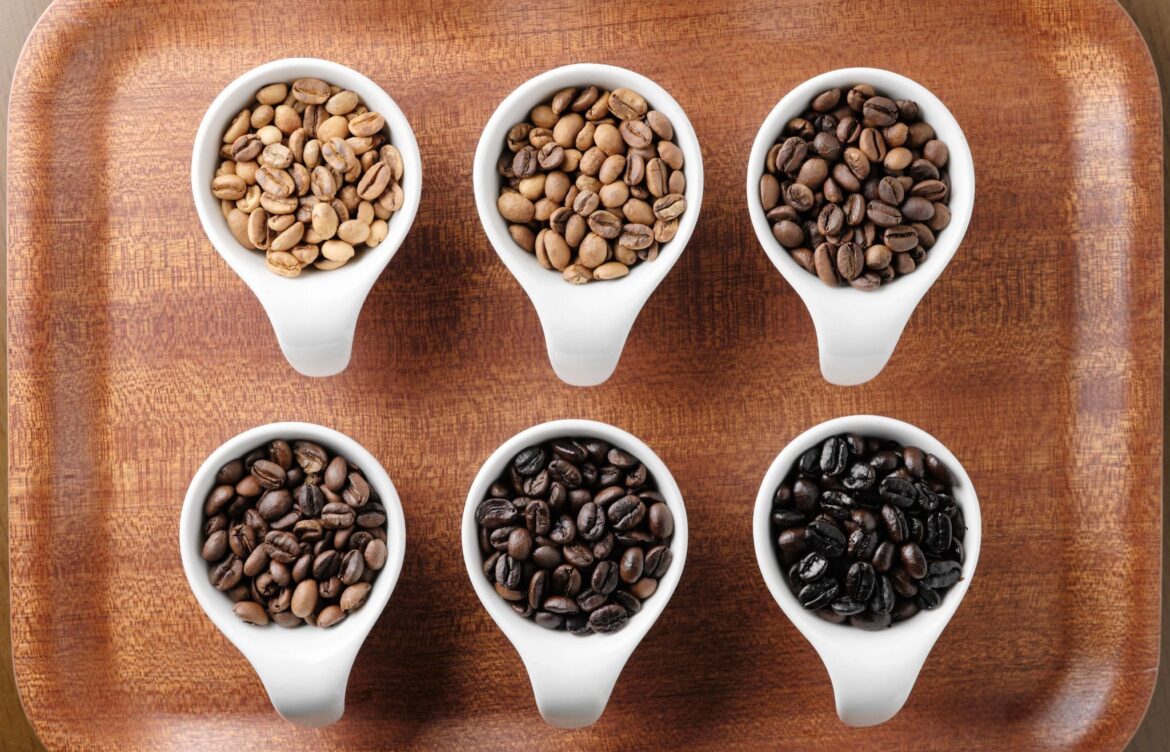
Coffee roast levels describe how long beans are heated, which directly affects taste and aroma. Light roasts preserve more of the natural flavors, often resulting in bright, slightly acidic notes. Medium roasts balance acidity and body, creating a smoother and more rounded profile. Dark roasts develop bold, smoky flavors with a heavier mouthfeel. This roasting process also reduces some caffeine content, despite the stronger taste. Many coffee drinkers choose roast levels based on flavor preference rather than strength.
Coffee Bean Origin and Flavor Profiles
Coffee bean origin refers to the region where coffee is grown, which directly affects its flavor characteristics. Factors such as climate, soil, and elevation influence how the beans develop over time. This growing environment shapes acidity, sweetness, and overall taste profile in noticeable ways. Many coffee labels include origin details because they help set flavor expectations. Beans from regions like Ethiopia often have fruity and floral notes with bright acidity. Beans from countries like Brazil tend to have nutty, chocolate-like flavors with a smoother body. Understanding the origin helps coffee drinkers choose options that better match their personal taste.
Processing Methods and Flavor
Coffee processing methods describe how beans are treated after harvesting, which directly shapes their flavor and aroma. This stage removes the fruit surrounding the bean and influences sweetness, acidity, and body. Many coffee drinkers overlook this step, yet it explains why similar beans can taste very different. This process adds another layer of complexity beyond bean type and roast level. The washed method removes the fruit before drying, resulting in a clean, bright flavor profile. The natural method dries the whole fruit with the bean, creating a sweeter, fruit-forward taste with a heavier body. The honey method leaves some fruit on the bean during drying, resulting in a balanced cup with mild acidity and smooth sweetness.
Espresso-Based Coffee Drink Types
Espresso-based coffee drinks use concentrated coffee as their foundation. This brewing method forces hot water through finely ground beans to extract intense flavor. The result is a small but rich shot with a thick, aromatic crema on top. This base allows for many variations by adjusting milk, foam, or water.
Espresso and Double Espresso Basics
Espresso is a concentrated coffee served in small amounts with a bold flavor. It features a layer of crema that adds both texture and aroma. A double espresso uses more coffee grounds, resulting in a stronger, fuller taste. This drink appeals to those who prefer intense flavor without dilution. Many coffee drinks start with espresso as their base ingredient. This versatility makes espresso one of the most recognized coffee types.

Latte, Cappuccino, and Flat White
Latte, cappuccino, and flat white are milk-based espresso drinks that differ in texture and ratio. A latte contains more steamed milk, which softens the coffee’s intensity. Cappuccino combines espresso, milk, and foam for a richer, slightly airy texture. Flat white uses finely textured milk with minimal foam, creating a smoother consistency. This difference in milk structure changes the overall mouthfeel of each drink. People often choose based on how creamy or strong they want their coffee.
Americano and Macchiato Differences
Americano and macchiato offer simple variations of espresso with noticeable flavor changes. An Americano is espresso with hot water, creating a milder, more diluted drink. This method produces a taste similar to brewed coffee but retains espresso depth. A macchiato adds a small amount of milk, which slightly softens the bitterness. This small addition keeps the drink bold while improving balance. These options suit people who want lighter or slightly modified espresso flavors.
Popular Brewed Coffee Methods
Brewed coffee methods involve extracting flavor without using espresso pressure. These methods vary across cultures and affect taste, strength, and texture. Some approaches focus on convenience, while others emphasize precision and control. This variety gives coffee drinkers more ways to enjoy their preferred style.
Drip Coffee and Pour-Over Brewing
Drip coffee and pour-over are two common methods for brewing coffee at home or in cafes. Drip coffee machines automate the process, making them convenient for daily use. Pour-over brewing allows more control over water flow and extraction time. This control produces a cleaner cup with more defined flavor notes. Many coffee enthusiasts prefer pour-over for its clarity and customization. These methods suit both beginners and experienced drinkers, depending on effort and preference.
French Press and Cold Brew Coffee
French press and cold brew create coffee with distinct textures and flavor profiles. French press brewing immerses coffee grounds in water, resulting in a fuller and richer body. This method retains natural oils, which adds depth to the drink. Cold brew uses cold water and a long steeping time to extract flavor slowly. This process produces a smoother and less acidic coffee with a slightly sweet taste. These options appeal to people who want alternatives to standard hot coffee.
Turkish Coffee and Cultural Styles
Turkish coffee represents one of the oldest and most traditional brewing methods. It uses very fine coffee grounds that are simmered directly in water. This preparation yields a thick, intense drink with a strong flavor. This method leaves the grounds in the cup, adding texture to each sip. Many cultures treat coffee as a shared ritual rather than a quick beverage. These traditions highlight the social and historical value of coffee worldwide.
Flavored and Specialty Coffee Types
Flavored and specialty coffee types include drinks enhanced with syrups, chocolate, or unique ingredients. These variations make coffee more appealing to a broader audience. Many people enjoy these options for their sweetness and creative combinations. This category reflects changing preferences and modern coffee culture.

Mocha and Flavored Latte Options
Mocha and flavored lattes combine espresso with sweet ingredients for a balanced taste. Mocha adds chocolate, which reduces bitterness and enhances the flavor. Flavored lattes use syrups like vanilla, caramel, or hazelnut for variety. These additions make coffee more approachable for those who prefer milder drinks. Seasonal flavors often attract attention and encourage experimentation. These drinks remain popular among both new and regular coffee drinkers.
Iced Coffee and Blended Variations
Iced coffee and blended drinks offer refreshing alternatives to hot coffee. Iced coffee is brewed hot and then cooled with ice for immediate serving. Cold brew differs because it uses cold water during the entire process. Blended drinks mix coffee with ice and other ingredients for a thicker texture. This style often resembles a dessert, thanks to its added sweetness and cream. These drinks are common choices for people seeking a refreshing coffee experience.
Specialty Coffee and Artisan Trends
Specialty coffee emphasizes high-quality beans and careful preparation. Many cafes highlight beans sourced from specific regions to showcase unique flavors. This focus on origin allows drinkers to experience distinct taste profiles. Artisan methods emphasize precision and skill during brewing. This approach attracts people who value craftsmanship and quality. These trends continue to shape how people explore and enjoy coffee.
How to Choose the Right Coffee Type
Choosing the right coffee type depends on taste preference, lifestyle, and brewing habits. Some people enjoy bold flavors, while others prefer smoother and lighter profiles. The preparation method also affects convenience and daily routine. This decision becomes easier when people understand their preferences and explore different options.
Match Coffee to Your Taste Preference
Matching coffee to personal taste helps create a more enjoyable experience. Some people prefer fruity or floral notes, while others enjoy nutty or chocolate flavors. Roast level also influences how strong or smooth the coffee tastes. Milk-based drinks often suit those who want a softer texture. Black coffee appeals to those who prefer bold and direct flavors. This process of trial and adjustment helps refine long-term preferences.
Coffee Strength vs Caffeine Content
Coffee strength and caffeine content are often misunderstood but differ in important ways. Strong flavor does not always mean higher caffeine levels. Light roasts may contain more caffeine despite their milder taste. Dark roasts taste stronger but often have slightly less caffeine. This difference depends on roasting and brewing methods. Understanding this distinction helps people make better and more informed choices.
Common Coffee Selection Mistakes
Common mistakes can limit how much people enjoy different coffee types. Many choose drinks based only on trends rather than personal taste. Some overlook roast levels, which greatly affect flavor and intensity. Adding too much sugar or cream can mask coffee’s natural qualities. This habit prevents people from fully experiencing different profiles. Trying new methods and flavors often leads to better satisfaction over time.
Find Your Ideal Type of Coffee Today
Choosing among different types of coffee becomes easier when you understand what shapes flavor and experience. Each cup reflects a mix of beans, processing, roasting, and preparation choices. Trying new options builds confidence and helps refine what you truly enjoy. Small changes, like adjusting brew method or roast, can noticeably improve your daily coffee. Visit a trusted roastery to explore fresh selections and discover what suits your taste best.
Ready to refine your coffee choices with real insight? Head over to the Just for Today Gourmet Coffee blog and discover what truly sets each cup apart.