

Light vs. Dark Roast Coffee: What’s the Difference?
Coffee is more than a morning drink; it’s a ritual that shapes how the day begins. Some find comfort in the smoky boldness of a dark roast, while others prefer the vibrant sparkle of a light roast. Every roast tells a different story, shaped by heat, time, and craftsmanship. Yet, many coffee lovers still confuse roast color with caffeine strength or flavor intensity. Knowing what separates light and dark roasts changes how you taste, appreciate, and choose your perfect cup.
Why Understanding Coffee Roast Differences Matters
Roast differences shape everything about your coffee, from aroma and flavor to body and caffeine perception. Knowing what sets light and dark roasts apart helps you choose beans that match your taste and brewing style. It prevents disappointment by aligning expectations with experience, ensuring every cup feels intentional and meaningful. Beyond preference, this understanding connects you to the craft behind your daily brew. It transforms coffee from a simple drink into a mindful ritual built on awareness and appreciation.
Understanding Light vs. Dark Roast Coffee
Light and dark roast coffee represent more than color; it’s the contrast between brightness and depth, subtlety and boldness. Light roasts highlight the bean’s natural character, offering crisp, fruity notes, while dark roasts develop smoky, caramelized richness. Each roast reflects a unique balance of science and art, shaped by time and precise temperature control. Recognizing these distinctions helps coffee lovers appreciate how roasting defines flavor, body, and aroma, making every sip a more informed and rewarding experience.
The Roasting Process
Roasting is where coffee’s true identity takes form. Every sip is defined by the transformation from green, raw beans to aromatic, brown ones. Each second in the roaster changes chemistry, moisture, and flavor depth. This process explains why light and dark roasts feel and taste worlds apart.
How Coffee Beans Transform During Roasting
Coffee beans start pale green and grassy before turning yellow, then brown as heat drives out moisture. Around 385°F, the “first crack” marks the beginning of a light roast, where sugars caramelize and flavors awaken. The longer they roast, the darker they become, eventually releasing natural oils that give dark beans their sheen. As heat increases, acidity decreases, while body thickens, resulting in a darker, smokier taste. Each degree of temperature pulls the bean further from its natural origin flavor. Light roasts retain their fruitiness and crispness, while dark roasts trade those qualities for richness and depth. These transformations reveal how time and heat sculpt coffee’s essence.
Understanding the Science of Roast Levels
The science behind roasting is a dance of reactions that define taste. The Maillard reaction, where amino acids and sugars combine, is responsible for the deep complexity that coffee is known for. Light roasts stop early in this process, preserving vibrant and floral notes. Caramelization breaks down sugars as roasting continues, producing flavors that are chocolatey or smoky, typical of darker profiles. Higher temperatures also drive out organic acids, which reduces brightness and increases smoothness. Each roast level represents a balance between acidity, sweetness, and bitterness. Mastering that balance allows roasters to highlight the bean’s personality while creating consistent quality.
Time, Temperature, and Roaster Skill
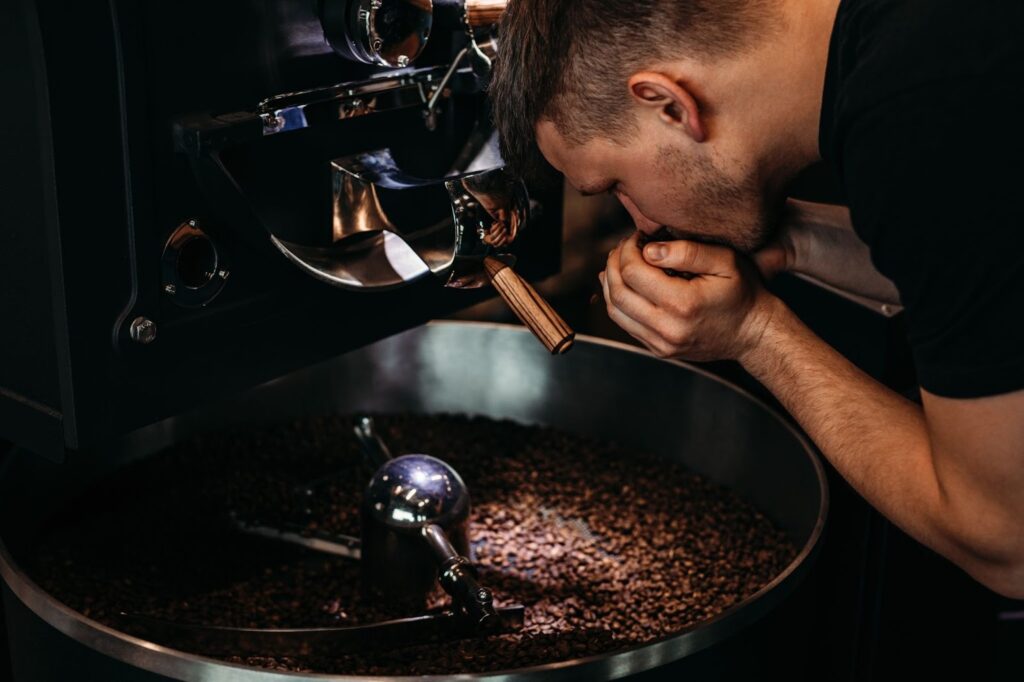
A skilled roaster treats every batch like a canvas, adjusting heat curves instinctively and with experience. Small shifts in time or temperature can significantly alter the taste of a bean. Roasters listen for “cracks,” smell for sugar caramelization, and watch bean color for cues. Light roasts require precise timing to avoid sourness, while dark roasts demand precise control to prevent burning. The ability to balance science and intuition separates great roasters from average ones. Each roast tells a story of skill, patience, and passion. It’s this human touch that turns raw beans into something memorable.
Flavor and Aroma
The roast defines how coffee expresses itself in flavor, body, and aroma. Light roasts highlight where the bean was grown, while dark roasts emphasize how it was roasted. These differences create entirely distinct drinking experiences. Understanding how each roast tastes brings new appreciation for what’s in your cup.
The Bright Complexity of Light Roast Coffee
Light roasts are lively, crisp, and expressive, carrying the fingerprint of their origin. They often feature fruity, floral, or citrus notes with a tea-like body. Because they’re roasted for a shorter period, their natural acidity remains intact, producing a bright, sparkling taste. The aroma is clean and fragrant, revealing hints of berries, honey, or jasmine. Brewing methods like pour-over or Chemex bring out their clarity and delicate balance. Light roasts appeal to those who appreciate nuance and detail in flavor. Each sip feels like an exploration of the bean’s natural character.
The Deep Intensity of Dark Roast Coffee
Dark roasts speak in a lower, richer tone. The long roasting process caramelizes sugars and oils, creating rich, chocolate, nutty, and spicy flavors. Acidity fades, replaced by smooth bitterness and a fuller body. The aroma is robust and smoky, offering a comforting depth. Espresso and French press methods best highlight these characteristics, pulling out thick crema and deep tones. Dark roast lovers often describe their coffee as bold and grounding. The flavor feels timeless—warm, heavy, and deeply satisfying.
Balancing Sweetness, Acidity, and Aroma
Every coffee’s charm lies in how these three elements interact. Light roasts lean on acidity and fragrance, while dark roasts lean on sweetness and body. Roasters chase harmony through precise heat and airflow control, crafting profiles that appeal to diverse palates. Medium roasts often serve as a middle ground, offering smooth balance without losing vibrancy. Aroma also depends on bean freshness; grinding just before brewing amplifies scent and flavor. When acidity, sweetness, and aroma are in alignment, a roast achieves balance and completeness. That’s when a cup truly stands out.
Caffeine and Strength
One of the most common coffee myths is that dark roasts contain more caffeine. The truth lies in chemistry and measurement, not color. Caffeine levels remain relatively unchanged during roasting, whereas bean density and perception do change. Recognizing this difference helps clear up confusion and enables you to make smarter choices.
The Real Truth About Caffeine Levels
Caffeine is stable under heat, so light and dark roasts contain nearly the same amount of caffeine. However, roasting expands beans, making dark roasts less dense. If you measure by scoop, light roast contains more caffeine because the beans are smaller and thicker. Measured by weight, though, both are almost equal. Many assume that a darker roast tastes stronger because it feels more intense. In reality, the difference is in concentration, not chemical content. Understanding that helps you focus on flavor rather than false assumptions.
Flavor Strength vs. Caffeine Strength
Dark roast’s bitterness often tricks the brain into thinking it’s stronger. The bold flavor gives an impression of higher caffeine, even though it’s nearly the same as a light roast. Caffeine perception also depends on brew ratio—more grounds per cup naturally increases the kick. Lighter roasts may taste milder but can deliver slightly more caffeine per scoop. Strength is therefore more about taste profile than energy output. Knowing this helps tailor your brew to mood rather than myth. Flavor and caffeine are partners, not rivals, in shaping your experience.
Acidity, Body, and Texture
Taste goes beyond flavor; it’s also about texture and feel. Acidity gives coffee its brightness, while body defines how it sits on the tongue. Light and dark roasts offer completely different sensations, making personal preference all the more distinct.
Acidity and Brightness Explained
Acidity is often misunderstood, yet it’s one of coffee’s most exciting traits. Light roasts retain more natural acids, giving them crisp, fruity liveliness. That distinct brightness makes Ethiopian coffees taste like berries or citrus. Darker roasts smooth out these edges, producing mellow, toasty undertones instead. Acidity is not merely sourness, but rather vibrancy and clarity. The right level depends on how you prefer the sparkle of your coffee versus its smoothness. Great coffee balances acidity with sweetness, resulting in a refreshing yet balanced flavor.
The Role of Body and Texture in Coffee
Body refers to the weight and feel of coffee in your mouth. Light roasts feel light and tea-like, with a quick, clean finish. Dark roasts, rich with oils, create a heavy, syrupy texture that lingers: the longer beans roast, the more natural oils surface, deepening the body. Texture shapes how coffee coats your palate, influencing comfort and satisfaction. Some prefer the brisk feel of a light roast, while others love the slow richness of a dark one. This tactile difference makes each roast uniquely enjoyable.
Ideal Brewing Methods
Brewing methods determine how roast profiles come alive. Light roasts need precision to express subtle flavors, while dark roasts prefer gentler extraction. Choosing the correct technique ensures that each roast tastes its best. The key is to match the brew style to the roast character.
Brewing Light Roast Coffee for Clarity
Light roasts thrive on precision and balance. Brewing methods like pour-over, AeroPress, and Chemex offer control over extraction rate and temperature. Use a medium-fine grind to highlight clarity and aroma. Water should be around 200°F for optimal sweetness and acidity. Allow coffee to bloom properly to release trapped gases and enhance flavor depth. Stirring slightly during brewing maintains consistency in flow. Light roast coffee delivers crisp, layered complexity with every sip.
Brewing Dark Roast Coffee for Richness
Dark roasts benefit from brewing methods that emphasize fullness and comfort. French press, espresso, or drip brewing highlight their bold, smoky qualities. Coarser grinds prevent over-extraction, keeping bitterness in check. Slightly cooler water, around 195°F, helps preserve smoothness. Avoid letting the grounds steep too long to reduce harshness. Freshly ground beans retain aromatic oils crucial for flavor intensity. This approach keeps dark roast coffee balanced, strong, and enjoyable.
How Brew Ratios Change Roast Experience
Ratios define intensity as much as roast does. Light roasts often require more coffee per ounce of water to achieve a good flavor. Dark roasts, naturally bold, can handle lighter ratios without losing flavor. Experimenting with ratios of 1:15 to 1:18 allows you to fine-tune the taste and body. Too much water can wash out complexity, while too little can make coffee overpowering. Adjusting grind and ratio together refines flavor balance. This flexibility makes brewing both a science and an art worth practicing.
Light vs. Dark Roast Coffee: Choosing What Fits You
Your favorite roast reflects who you are as a coffee drinker. Some chase sharp brightness, others crave deep warmth. Finding the right fit means exploring with curiosity. Taste preference grows through experience, not rules.
Matching Flavor Profiles to Your Taste
Light roasts appeal to those who enjoy vivid, fruity, or floral notes. They highlight the bean’s natural identity with crisp brightness. Dark roasts suit drinkers who favor rich, caramelized, or chocolatey tones. Exploring single-origin coffees helps you understand regional influences on flavor. Try side-by-side tastings to notice contrasts more clearly. Recording what you like refines your sense of taste over time. The best roast is the one that makes you pause and appreciate every sip.
Digestibility and Health Considerations
For those with sensitive stomachs, the choice of roast can make a difference. Light roasts have more acidity, which might cause discomfort for some. Dark roasts, having less acidity, often feel smoother and easier to digest. However, overly dark coffee can become harsh and bitter if roasted too long. Freshness and water quality also influence comfort and taste. Drinking moderate amounts of water with food can help reduce irritation. The goal is to enjoy coffee that energizes without upsetting your balance.
Finding Your Everyday Roast Balance
Many coffee enthusiasts find joy in blending roasts. Mixing light and dark beans merges brightness with body, creating personalized harmony. Home blending allows creative control and experimentation with proportions. Some prefer a 70/30 mix to achieve both sparkle and smoothness. Roasters often sell sampler packs to encourage exploration and experimentation. Adjusting your blend ratio weekly keeps your coffee ritual engaging. Balance comes from curiosity and the willingness to taste something new.
Experience What Sets Light vs. Dark Roast Coffee Apart
Knowing the difference between light and dark roast coffee isn’t about being right or wrong but about what resonates with you. Each roast has a distinct rhythm shaped by heat, time, and the roaster’s touch. Exploring both helps you understand your taste and deepens your connection to each cup you brew. The next time you reach for coffee, choose with curiosity and savor it with intention—the perfect roast is the one that feels like yours.
Step beyond the cup and explore more brewing wisdom, roast stories, and flavor insights on the Just for Today Gourmet Coffee blog.