
How to Grind Coffee Beans
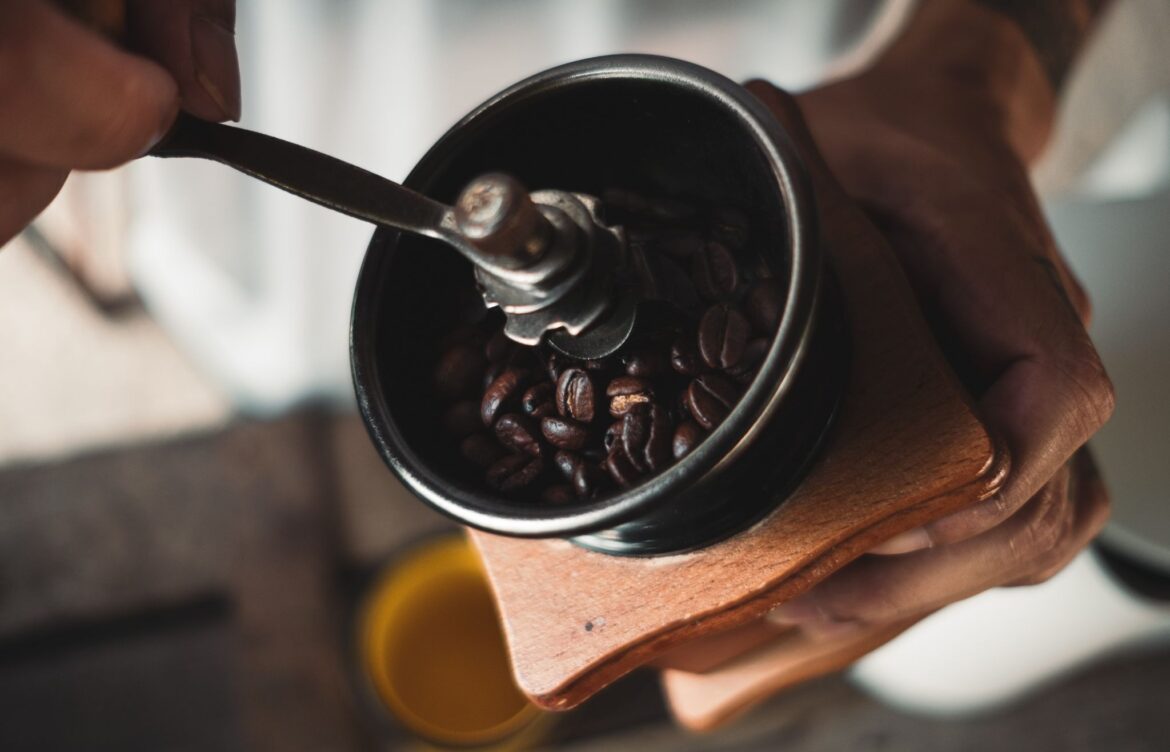
Fresh coffee starts with how you grind the beans before brewing each cup. Many people drink coffee daily, but miss how grinding shapes flavor and aroma. Pre-ground coffee loses its oils quickly, leading to a dull, flat taste. Grinding beans at home gives better control over strength, texture, and freshness. Knowing how to grind coffee beans well results in a richer, more consistent experience.
Coffee Grinding Basics Explained
Grinding coffee beans means breaking them into particles that control how water extracts flavor during brewing. The size and consistency of these particles affect strength, clarity, and balance in every cup. Smaller particles release flavor faster, while larger ones slow the extraction and create a lighter taste. This process helps explain why grind size matters across different brewing methods.
Why Grind Size Affects Coffee Taste
Grind size determines how quickly water pulls flavor compounds from coffee during brewing. Fine grounds increase surface area, which speeds up extraction and intensifies flavor quickly. Coarse grounds slow the process and produce a cleaner, lighter cup. If the grounds are too fine, the coffee may taste bitter and harsh. If the grounds are too coarse, the result often tastes sour and thin. This balance depends on matching the grind size to the brewing time and method.
Types of Coffee Grind Sizes Guide
Coffee grind sizes range from extra coarse to extra fine, each serving a specific brewing style. Extra coarse grounds resemble cracked pepper and work well for cold brew methods. Coarse grounds feel like sea salt and suit French press brewing. Medium grounds resemble sand and work well with drip coffee makers and some pour-over methods. Fine grounds feel like sugar and are used for espresso preparation. This range helps you adjust flavor by choosing the correct grind size for your brew.
Methods for Grinding Coffee Beans
Grinding coffee beans can be done with different tools, varying in precision and ease of use. Each method affects consistency, which directly shapes extraction and final taste. Some tools suit beginners who want quick results, while others serve those seeking better control. This choice depends on your budget, time, and the level of detail you want in your brewing process.
How Blade Grinders Work for Coffee
Blade grinders chop coffee beans with fast-spinning blades, breaking them into uneven pieces. This method works quickly and often costs less than other grinding options. However, uneven particle size can lead to inconsistent extraction and mixed flavors. Pulsing the grinder instead of running it continuously helps improve control. Shaking the grinder between pulses spreads the beans more evenly during grinding. This approach suits casual users who value speed over precision.
Burr Grinder Benefits for Coffee Beans
Burr grinders crush beans between two surfaces to produce consistent particle sizes. This design allows better control over grind size and improves flavor balance during extraction. Flat and conical burrs both offer reliable performance, though with slight design differences. Many burr grinders include adjustable settings for different brewing methods. This feature helps you refine taste based on your preference and brewing style. Based on industry insights from coffee professionals, burr grinders deliver more consistent results over time.
How to Grind Coffee Without a Grinder
Grinding coffee without a grinder involves using common kitchen tools to hand-crush the beans. A blender can grind beans quickly, though it may produce uneven results. A mortar and pestle allows more control but requires more effort and time. A rolling pin can crush beans inside a sealed bag for a simple solution. Each method lacks precision but still works in situations where convenience matters. This option helps when you need ground coffee without specialized equipment.
Best Grind Size for Brewing Methods
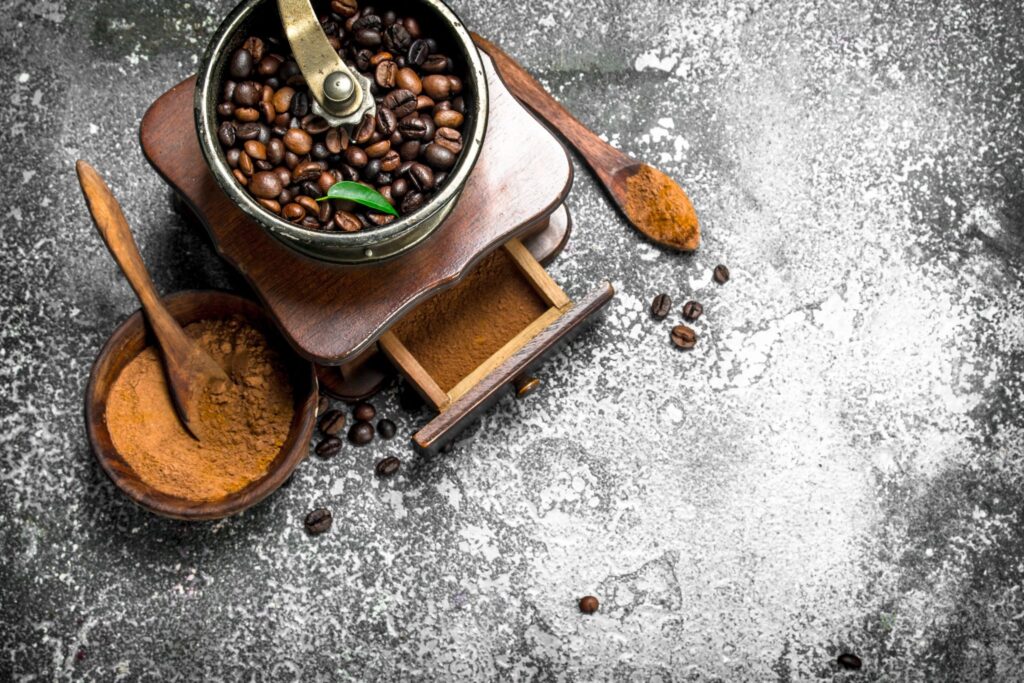
Matching grind size to brewing method improves extraction and creates better-tasting coffee. Each brewing style uses water differently, which affects how flavor develops. Using the wrong grind size can lead to bitterness or a weak taste. This pairing helps you achieve more consistent and enjoyable results.
Medium Grind for Drip Coffee Makers
A medium grind size works best for drip coffee makers because it allows for balanced extraction. This texture resembles coarse sand and supports steady water flow during brewing. If the grind is too fine, the coffee may taste bitter and heavy. If it is too coarse, the flavor may seem weak and underdeveloped. Adjusting the grind size slightly can improve the taste based on your preference. This method produces a smooth and familiar cup that suits daily brewing.
Coarse Grind for French Press Coffee
Coarse grind size suits French press brewing because it prevents over-extraction during steeping. This texture resembles rough sea salt and keeps grounds from passing through the filter. Using a finer grind can create a muddy texture and a bitter taste. Stirring gently and allowing proper steep time improves flavor clarity. Coarse grounds also enhance the body while keeping bitterness in check. This method delivers a rich and full-bodied coffee experience.
Fine Grind for Espresso Machines
A fine grind is required for espresso because it allows pressurized water to extract flavor quickly. This texture resembles granulated sugar and imparts resistance during brewing. Small changes in grind size can alter extraction time and taste. If the grind is too coarse, the espresso may taste sour and weak. If it is too fine, the shot may taste bitter and take longer to brew. This precision makes espresso preparation more detail-focused than other methods.
Grind Size for Pour Over and Cold Brew
Pour-over coffee uses a medium to medium-fine grind to allow controlled water flow. This grind helps maintain balance between extraction speed and flavor clarity. Cold brew requires an extra-coarse grind due to its long steeping time. Using finer grounds in cold brew can lead to harsh and over-extracted flavors. Matching grind size to brew time improves both smoothness and consistency. This pairing helps highlight different flavor profiles in each brewing method.
Tips to Grind Coffee Beans Properly
Properly grinding coffee beans involves consistent habits that improve flavor and aroma. Small changes in technique can lead to better results in daily brewing. Many issues come from simple mistakes that are easy to correct. This approach helps you get more consistent and enjoyable coffee each time.
Why Fresh Grinding Improves Coffee Flavor
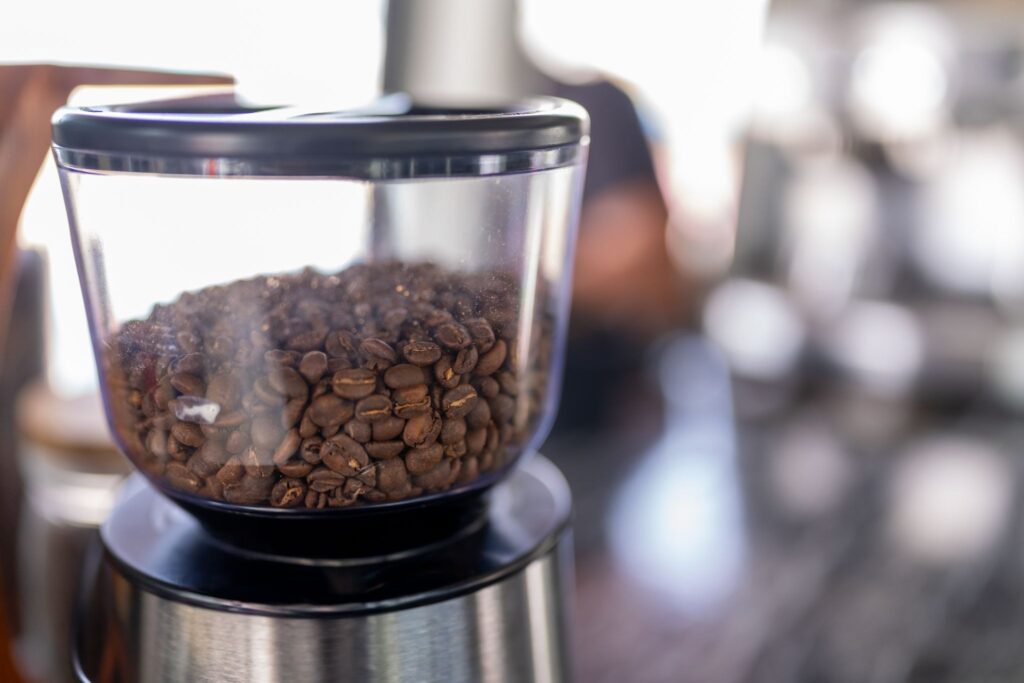
Fresh grinding preserves aromatic compounds that give coffee its rich smell and taste. These compounds begin to fade quickly after grinding due to exposure to air. Grinding just before brewing keeps these flavors intact, resulting in a better experience. Pre-ground coffee often tastes flat because it loses these elements over time. Using whole beans and grinding them as needed improves the quality of every cup. This habit creates a noticeable difference even for everyday coffee drinkers.
How to Measure Coffee Beans Correctly
Measuring coffee beans accurately helps maintain consistent flavor across each brew. Using a kitchen scale provides better precision than measuring by volume. This method helps you control strength and avoid waste during preparation. Too much coffee can create bitterness, while too little can make it taste weak. Adjusting ratios allows you to match your preferred taste profile. This consistency makes it easier to repeat successful brewing results.
Common Coffee Grinding Mistakes to Avoid
Common grinding mistakes can reduce flavor quality and affect overall brewing results. Overheating beans during grinding can damage delicate flavor compounds. Using the wrong grind size often leads to poor extraction and uneven taste. Not cleaning the grinder regularly can cause stale residue to affect new batches. Grinding large amounts at once can reduce freshness over time. This awareness helps you avoid issues and improve your coffee routine.
Choosing the Right Coffee Grinder
Choosing the right coffee grinder depends on your needs, budget, and brewing habits. Different grinders offer varying levels of control and consistency. Some options suit beginners who want a simple experience, while others suit those seeking precision. This decision affects long-term coffee quality and daily convenience.
Affordable Coffee Grinders for Beginners
Affordable grinders offer a simple entry point for those starting to grind coffee at home. Blade grinders are common at lower price points and are easy to use. These models work well for basic brewing needs and occasional use. However, they may produce uneven grounds, which can affect flavor balance. Choosing a reliable option can improve durability and performance. This choice suits those who prioritize convenience over precision.
Premium Coffee Grinders for Better Results
Premium grinders provide better consistency and more control over grind size settings. Burr grinders in this range often include durable materials and precise adjustments. These features allow you to refine the flavor based on your brewing method and preferences. Over time, they improve the overall quality of each cup. Many coffee professionals recommend burr grinders for consistent performance. This investment supports better results for those who value quality coffee.
Master Coffee Bean Grinding Today
Grinding your own coffee puts control back into your daily routine and improves every cup you brew. Each adjustment you make sharpens flavor, builds consistency, and reveals what your beans can truly offer. This habit turns an ordinary step into a skill that keeps improving with practice and attention. Start refining your grind today and experience gourmet coffee with deeper flavor and a more satisfying brew.
Explore deeper coffee techniques and thoughtful brewing advice on the Just for Today Gourmet Coffee blog.