

How Roasted Coffee Beans Differ From Raw or Green Coffee Beans
Coffee brings warmth, focus, and flavor to daily life worldwide. Every cup starts with a transformation—from a raw, green seed into a roasted, aromatic bean. That change defines everything people love about coffee: its taste, texture, and aroma. Understanding how roasted coffee beans differ from their raw form helps coffee lovers connect more deeply with their brew.
The Origin of Green Coffee Beans
Green coffee beans are the raw, unroasted seeds inside coffee cherries. They are dense, grassy-smelling, and light green in color. They haven’t developed the sweet or rich flavors people associate with roasted coffee. However, their natural compounds hold the full potential for roasting later releases.
What Are Green Coffee Beans?
Green coffee beans are firm, pale, and waxy to the touch, containing natural acids and sugars that have not yet been developed by heat. They carry a raw, herbal taste with a faint sourness. They remain chemically stable and nutritionally rich without roasting, but lack aromatic or flavorful qualities. Roasters value this raw stage because it allows complete control over flavor outcomes. The moisture and chlorogenic acids in green beans determine how they react to roasting. Their stability and chemical balance set the foundation for every roast’s final profile.
The Role of Processing in Green Beans
Coffee cherries must be processed immediately after harvest to preserve freshness. The wet process removes fruit pulp before drying, producing clean and bright flavor profiles. The dry process, standard in sunny regions, dries the fruit intact, resulting in sweeter, fuller flavors. Both methods influence acidity, sugar content, and moisture level. Beans typically need ten to 12% moisture to roast evenly and avoid bitterness. Storage conditions, such as temperature and airflow, protect green beans from mold and spoilage.
The Influence of Origin and Altitude
Altitude and geography significantly influence the development of coffee beans. Beans grown at higher elevations mature more slowly, resulting in denser textures and vibrant acidity. Lower-altitude beans ripen faster, producing softer, milder flavors. Soil composition, sunlight, and rainfall also affect bean chemistry before roasting begins. For example, Ethiopian beans offer floral notes, while Colombian varieties carry nutty sweetness. Roasting highlights these unique traits, giving every coffee a regional signature.
The Science Behind Roasted Coffee Beans
Roasted coffee beans are transformed into fragrant, flavorful ingredients through the combination of heat and time. Roasting activates chemical reactions that build coffee’s aroma, color, and complexity. It evaporates moisture, caramelizes sugars, and expands the bean’s structure. The process defines how the coffee tastes, smells, and brews in every cup.
What Happens During Roasting
During roasting, internal bean temperature rises above 200°C. Moisture evaporates, and pressure builds until the bean cracks open audibly. The Maillard reaction and caramelization produce hundreds of new flavor compounds. Oils migrate to the surface, adding richness and body. The longer the roast continues, the darker and bolder the flavor becomes. Once cooled, roasted beans release carbon dioxide and develop their signature aroma.
Types of Coffee Roasts and Their Characteristics
Roasting levels vary from light to dark, each offering distinct traits. Light roasts maintain higher acidity and showcase origin-specific flavors. Medium roasts strike a balance between sweetness, aroma, and body, resulting in an approachable cup. Dark roasts deliver bold, smoky notes with low acidity and fuller texture. The choice depends on brewing method and taste preference. Similarly, blend ratios and roast duration enable roasters to craft signature flavors that are unique to their brand.
How Roasting Alters the Bean’s Structure
The structural transformation during roasting is profound. Beans expand in size, losing about 15–20% of their weight due to water evaporation. The cell walls become porous, allowing easy grinding and even extraction during brewing. The darkened surface signals caramelized sugars and developed oils. This change makes roasted beans brittle but aromatic. Every aspect of the bean’s physical evolution contributes to the texture and taste of brewed coffee.
Flavor and Aroma of Green vs. Roasted Coffee Beans
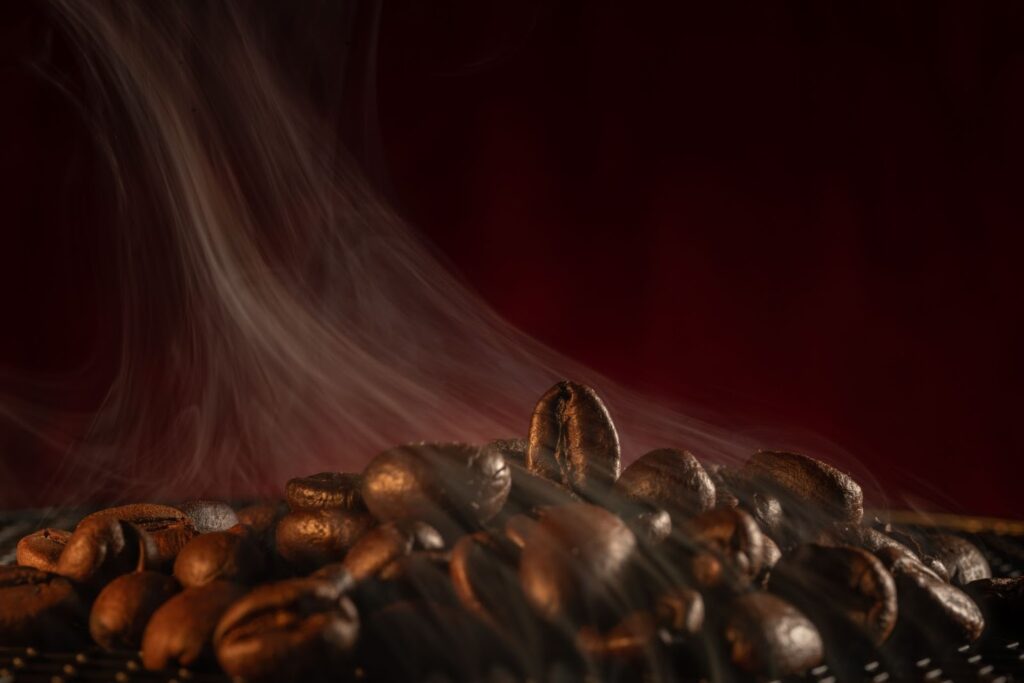
The difference in flavor between roasted and green coffee beans is striking. Green beans taste raw, while roasted ones release sweetness, depth, and aroma. Heat transforms potential into expression, producing notes of chocolate, caramel, and fruit. This chemical metamorphosis creates coffee’s irresistible sensory appeal.
How Roasting Develops Coffee’s Signature Taste
Heat triggers complex reactions that define the taste of coffee. Sugars caramelize, acids mellow, and aromatic compounds form simultaneously. Light roasts preserve bright, fruity notes, while dark roasts accentuate chocolate and spice flavors. Acidity decreases as sweetness and bitterness balance out. Roasters fine-tune time and temperature to capture ideal flavor. The results depend on precision, experience, and understanding of each bean’s origin.
The Aroma Spectrum of Coffee
Coffee’s aroma is formed through volatile compounds created during the roasting process. Aldehydes, ketones, and pyrazines contribute sweetness, warmth, and nutty depth. Lighter roasts have a floral and citrusy aroma, while darker ones release smoky or earthy scents. The freshest beans carry the richest aromas, but oxygen quickly weakens them. Proper sealing and limited exposure to air preserve fragrance longer. Additionally, grinding right before brewing locks in those delicate aromatic compounds.
Flavor Stability After Roasting
Roasted beans begin to lose flavor within days as gases escape and oxidation begins. Exposure to light, heat, and air speeds up degradation, dulling the aroma and flattening the taste profile. Most roasters recommend brewing within two to three weeks of roasting. Airtight storage away from sunlight helps maintain flavor intensity. Coffee enthusiasts who value a consistent taste should opt for freshly roasted beans in smaller batches.
Nutritional and Chemical Changes in Roasted Coffee
Roasting not only alters flavor but also modifies nutrition and chemical makeup. Some compounds diminish, while others emerge through heat transformation. Green coffee beans hold high levels of chlorogenic acids, while roasted beans develop melanoidins. Both compounds contribute to health benefits, but in different forms.
The Antioxidant Shift After Roasting
Roasting reduces chlorogenic acids but generates new antioxidants, such as melanoidins. Melanoidins form during the Maillard reaction and contribute color, flavor, and body. Light roasts retain more chlorogenic acid, while darker roasts carry more melanoidins. Each provides antioxidant effects that differ in strength and function. The balance between these elements depends on the roast duration and the origin of the beans. Consumers benefit from both, as each contributes to overall wellness.
Caffeine Content and Bioactive Changes
Caffeine levels remain stable during roasting, although bean weight loss may alter the perception of the coffee. Lighter roasts appear stronger due to their sharper acidity and brightness. Darker roasts tend to taste smoother, but they offer a comparable amount of caffeine per cup. Heat modifies how caffeine interacts with flavor compounds, influencing taste and energy response. This difference explains why roast preference often depends on mouthfeel rather than the strength of the stimulant. Similarly, caffeine concentration stays consistent across most roast types.
Chlorogenic Acids and Acidity Shifts
Chlorogenic acids naturally break down under heat, forming quinic and caffeic acids. These changes lower acidity and create smoother, rounder flavors. Light roasts retain more of these acids, making them lively and vibrant. Darker roasts exhibit reduced acidity, yet enhanced sweetness and body. These reactions explain why some coffees taste crisp while others feel rich and mellow. Understanding this helps drinkers match roast level to their flavor expectations.
Texture, Density, and Brewing Performance
Roasting alters the way beans are ground, extracted, and brewed. Green beans are rugged and compact, while roasted beans become porous and brittle. These differences affect water absorption, extraction speed, and final taste. The bean’s structure directly determines how the brew performs.
Physical Transformation Through Roasting
During roasting, beans expand, and gases create internal pressure. The result is a lighter, airier structure with visible cracks. This transformation makes grinding easier and extraction more efficient. Porous roasted beans allow water to pass evenly, releasing balanced flavor. The reduced density enhances flavor concentration while shortening brewing time. Each of these traits defines how coffee behaves across different brewing methods.
How Roasted Beans Behave During Brewing
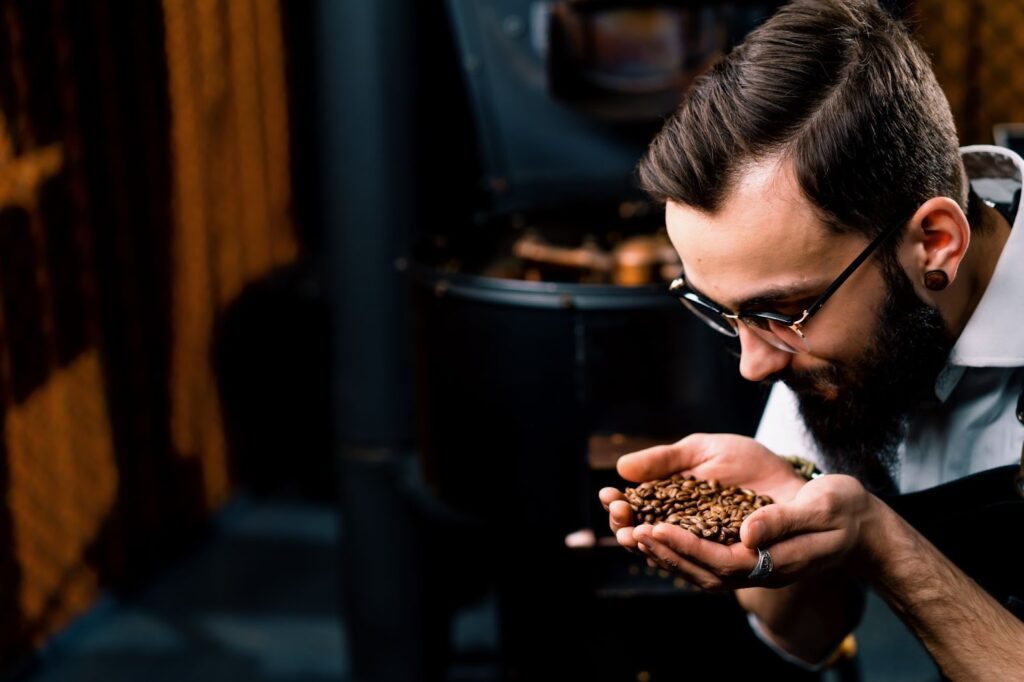
Roast level dictates grind size, brewing temperature, and contact time. Light roasts benefit from finer grinds and longer brewing to extract subtle flavors. Dark roasts require coarser grinds and shorter contact time to prevent bitterness. Medium roasts work well in most methods, offering a balance of flavor and versatility. Espresso highlights the rich, dark roast, while pour-over enhances the clarity of the light roast. Consistency in grind and timing guarantees a perfect extraction.
Storage and Shelf Life of Coffee Beans
Storage determines how long coffee stays fresh and flavorful. Green beans can last for months, while roasted beans quickly lose their peak quality. Factors like air, heat, and moisture accelerate staling. Proper storage preserves the aroma, taste, and overall integrity of the coffee.
Longevity of Green Coffee Beans
Green beans stay stable for up to a year when stored in cool, dry, and dark conditions. Controlled humidity prevents mold, and steady temperatures maintain a balanced moisture level. These conditions preserve internal compounds essential for quality roasting. Air circulation reduces odor absorption and prevents spoilage. Green beans act like a time capsule, holding flavor potential until roasting begins. Proper storage ensures that each batch roasts evenly and predictably.
How Roasted Beans Lose Freshness
Once roasted, coffee starts to age immediately. The release of carbon dioxide signals the start of oxidation. Exposure to air dulls aromas and flattens taste within weeks. Using airtight, opaque containers slows this process. Storing beans in small batches helps maintain peak flavor. Grinding right before brewing guarantees freshness and a rich, consistent aroma every time.
Why Roasting Defines Coffee’s Identity
Roasting determines how coffee expresses its origin and chemistry. It’s both an art and a science guided by precision and intuition. The roaster controls timing, temperature, and airflow to shape the flavor. Each roast reflects the personal expertise and brand philosophy of its creator.
The Art of Control
Roasters monitor color changes, temperature curves, and cracking sounds throughout the roast. Each variable affects sweetness, acidity, and mouthfeel. Too much heat burns flavors; too little leaves them underdeveloped. Experienced roasters make subtle adjustments to highlight a bean’s strengths. This balance of skill and instinct defines every successful batch. The craft turns simple ingredients into an expressive sensory experience.
The Role of the Roaster’s Skill
Roasters rely on training and sensory cues to perfect each roast. They taste-test (cup) every batch to evaluate consistency and profile accuracy. Their decisions influence how consumers perceive quality and brand trust. A skilled roaster can bring out floral notes in one bean and nutty depth in another. Each choice, from roast duration to cooling speed, affects the cup’s final expression. This expertise makes roasting the most defining stage in coffee production.
Choosing Between Green and Roasted Coffee Beans
The choice between green and roasted coffee depends on your goals. Home roasters value creativity and control, while most prefer convenience and consistency. Both options offer rewards for those who understand their purpose. Knowing what fits your lifestyle enhances every cup you brew.
For Home Roasters and Enthusiasts
Home roasting allows coffee lovers to experiment with profiles and enjoy the freshest coffee. It provides flexibility to craft personalized flavor experiences. Green beans cost less and store longer, making them ideal for enthusiasts. The process demands patience, timing, and the right equipment. Each roast teaches valuable lessons about the development of flavor. For many, it becomes a rewarding ritual of experimentation and mastery.
For Everyday Coffee Drinkers
Most people choose roasted coffee for ease and reliability. It’s ready to grind, brew, and enjoy without extra steps. Local and specialty roasters offer fresh, diverse options tailored to preference. Checking roast dates and storing beans properly helps preserve their peak taste. Grinding before brewing enhances aroma and smoothness. For daily drinkers, fresh-roasted coffee delivers comfort and quality with minimal effort.
Roasted Coffee Beans and Modern Coffee Culture
Modern coffee culture celebrates craftsmanship, sustainability, and transparency. Roasted coffee is at the center of this movement, bridging the gap between farmers, roasters, and consumers. Specialty coffee roasteries have turned everyday drinking into an experience of discovery. Each roast now represents a story of origin, care, and creativity.
The Demand for Specialty Roasts
Consumers today seek authenticity and traceability in what they drink. Specialty roasts highlight their unique origins and showcase ethical farming practices. Micro-roasters focus on quality and storytelling rather than volume. This approach helps connect people to the journey behind every bean. It also creates space for diverse flavors that celebrate regional identity. As awareness grows, coffee appreciation continues to evolve into an art form.
Sustainability in Roasting and Sourcing
Sustainability shapes how modern roasters source and produce coffee. Energy-efficient roasting systems minimize waste and reduce carbon emissions. Fair trade partnerships secure better livelihoods for farmers. Ethical packaging protects freshness while lowering environmental impact. Brands that value sustainability build stronger trust and loyalty among conscious consumers. Supporting such practices benefits both flavor quality and global responsibility.
Savor the Story Within Every Roasted Coffee Bean
Every roasted coffee bean carries more than flavor; it holds the mark of its journey, from soil and sun to roaster and cup. Choosing fresh, responsibly sourced beans transforms an everyday drink into something personal and meaningful. Each brew becomes an expression of care, craft, and connection. The next time you reach for your coffee, choose the roast that speaks to your story.
Join us on the Just for Today Gourmet Coffee blog to learn, taste, and experience what makes every roast worth savoring.