
Blonde Roast vs Medium Roast: Understanding the Difference
Coffee choices shape daily routines, yet roast levels often confuse many drinkers. Blonde and medium roasts appear similar at first glance, but they deliver different experiences. Flavor, aroma, and texture shift as beans roast longer. These changes influence how coffee tastes, both black and with milk. A clear understanding of roast differences helps you choose coffee that fits your taste and routine.
Blonde vs Medium Roast Defined
Blonde and medium roast differ mainly in roasting time and temperature, which shape flavor and body. Roasters apply heat to develop sugars, acids, and aromatic compounds inside the beans. Shorter roasting preserves natural characteristics, while longer roasting builds deeper flavors. These roasting differences explain why each cup feels distinct and appeals to different preferences.
What is Blonde Roast Coffee
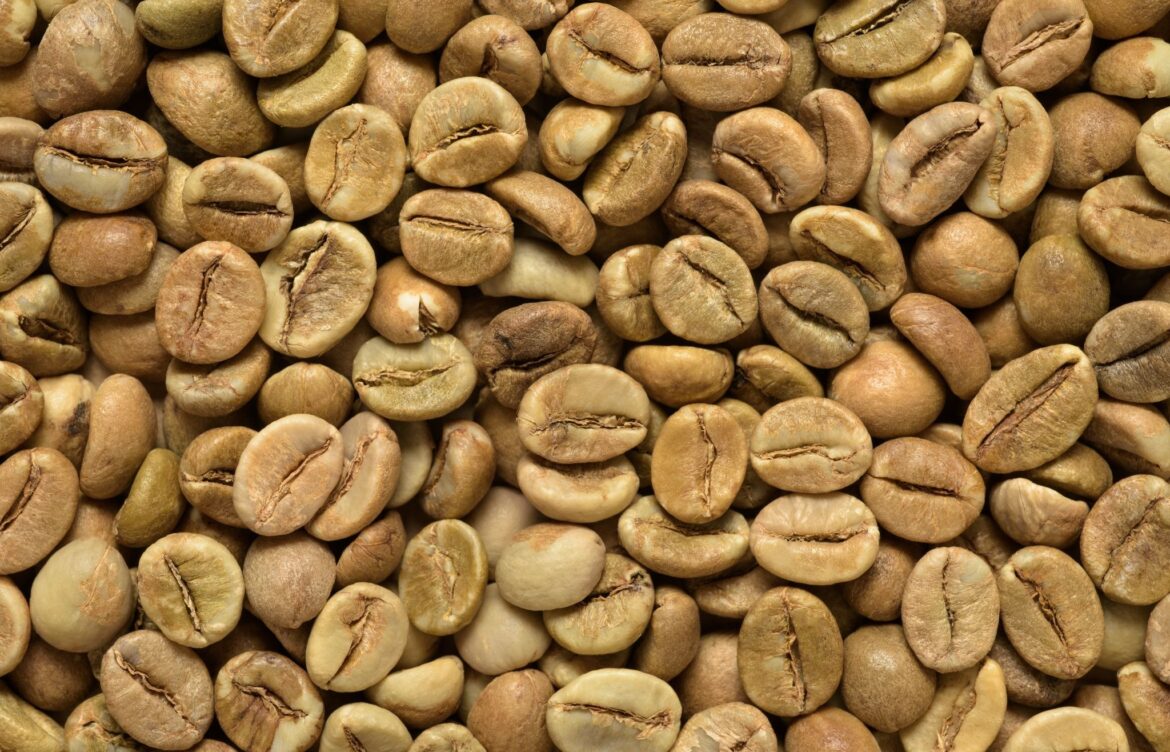
Blonde roast coffee refers to beans roasted for a shorter time at lower temperatures. This roasting process preserves more of the original bean flavors, including natural acidity. As a result, the taste often feels bright, crisp, and slightly tangy. Common notes include citrus, floral tones, and light sweetness that stand out clearly. The body feels lighter, which many people describe as clean and refreshing. According to industry roasting standards from organizations like the Specialty Coffee Association, lighter roasts highlight origin characteristics more clearly.
What Is Medium Roast Coffee
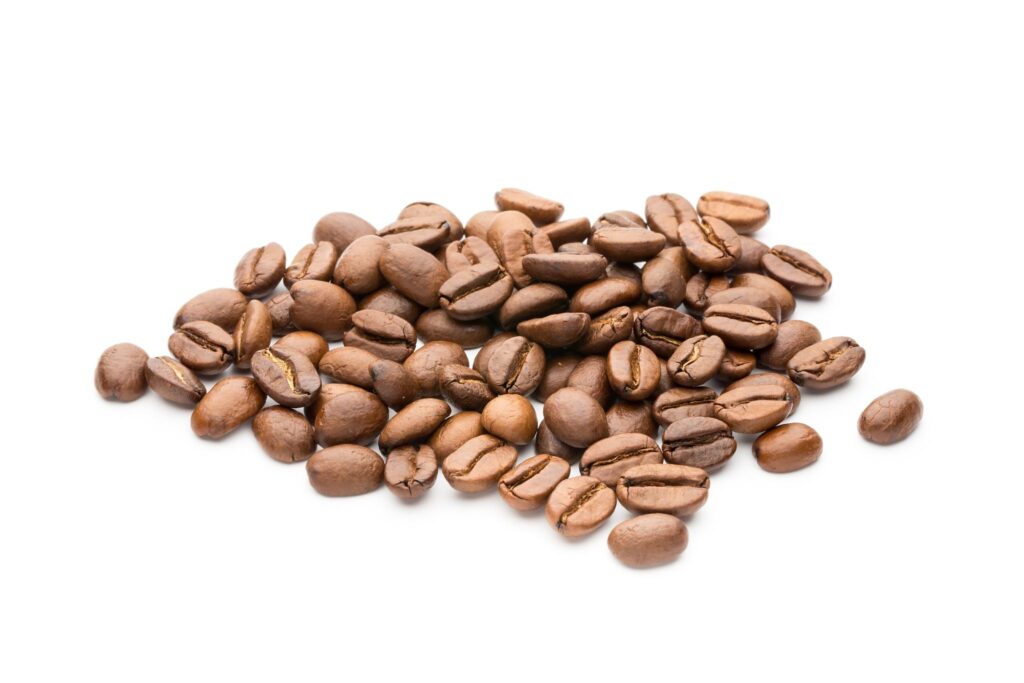
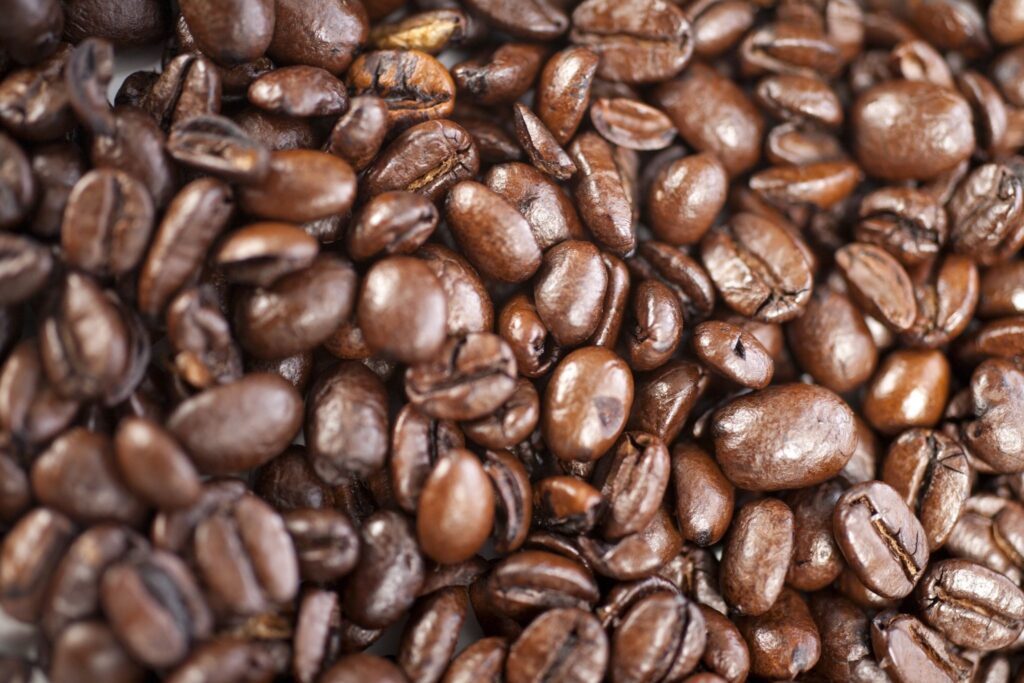
Medium roast coffee refers to beans roasted longer to achieve balanced flavor and body. This roasting process reduces sharp acidity while enhancing sweetness through caramelization. The taste often feels smooth, with notes of chocolate, nuts, and mild caramel. The body becomes fuller, giving each sip more weight and roundness. This roast level appeals to a broad audience because it balances brightness and richness. Many coffee brands and cafes favor medium roast coffee for its consistent, approachable flavor profile.
Blonde vs Medium Roast Flavor Differences
A blonde roast tastes brighter and sharper, while a medium roast tastes smoother and richer. Roast level controls how acids and sugars develop during heating. These changes affect how coffee feels on the palate and how long flavors linger. Understanding these flavor traits helps match coffee to personal taste preferences.
Acidity and Brightness Comparison
Acidity in coffee refers to a lively, crisp sensation, not sourness or bitterness. Blonde roast retains higher acidity because roasting stops before acids break down. This feature creates a vibrant flavor that many people associate with freshness. A medium roast reduces acidity, producing a smoother, more balanced taste. This difference makes medium roast easier for those sensitive to sharp flavors. Additionally, acidity influences how clearly individual tasting notes appear in each sip.
Body and Mouthfeel Differences
The body describes the weight and texture of coffee as it moves across the tongue. Blonde roast produces a lighter body that feels clean and quick. This texture resembles tea more than traditional bold coffee. Medium roast develops a fuller body, making it feel richer and more rounded. This difference makes medium roast feel more satisfying for many drinkers. Mouthfeel often shapes how people judge overall coffee quality and comfort.
Sweetness and Aftertaste Effects
Roasting affects how natural sugars inside coffee beans develop and change. Blonde roast keeps the sweetness subtle and closely tied to the bean’s origin. Medium roast increases sweetness through caramelization during longer roasting. This process creates flavors similar to cocoa, nuts, or toffee. The aftertaste of medium roast lingers longer and feels smoother. In contrast, blonde roast finishes quickly, leaving a crisp, clean finish.
Solubility Differences in Roast Levels
Roast level affects how easily coffee dissolves during brewing, which shapes flavor extraction. Blonde roast dissolves more slowly because its structure remains less broken down. Medium roast dissolves more easily due to longer heat exposure. These differences influence brewing time, taste balance, and overall cup quality.
Why Blonde Roast Extracts More Slowly
Blonde roast beans retain tighter cellular structures after shorter roasting. This structure limits how quickly water pulls out flavors during brewing. As a result, the extraction may feel weaker if the brewing time stays too short. Adjusting brew time or grind size helps improve flavor balance. This slower extraction often yields cleaner, more defined taste notes. Understanding solubility helps prevent underwhelming coffee results.
Medium Roast and Faster Extraction Behavior
Medium roast beans develop a more porous structure from extended roasting. This structure allows water to extract flavors more efficiently. Faster extraction creates a balanced cup with less effort during brewing. However, over-extraction can occur if the brew time extends too long. Careful control of variables keeps flavors smooth and consistent. This balance makes medium roasts easier to brew with most brewing methods.
Caffeine Blonde vs Medium Roast Facts
Blonde roast contains slightly more caffeine, but the difference remains small in practice. Roasting reduces caffeine gradually as the heat increases. Flavor intensity often misleads people into thinking darker coffee has more caffeine. Understanding this distinction helps avoid confusion when choosing coffee.
Does Blonde Roast Have More Caffeine
Blonde roast retains slightly more caffeine because it has shorter exposure to heat. This roasting process slows the breakdown of caffeine compounds inside the bean. However, the difference becomes minimal when measured in a typical cup. Measurement methods, such as volume scooping, can affect caffeine levels more than roast type. For example, lighter beans are denser, which may slightly increase caffeine per scoop. Research from coffee industry sources confirms that differences in caffeine levels between roast levels remain modest.
Strength vs Flavor Intensity
Strength refers to caffeine impact, while flavor intensity refers to taste depth. Medium roast often tastes stronger because it develops deeper and richer flavors. This difference can lead people to assume it contains more caffeine. Blonde roast tastes lighter, which can feel less intense at first sip. However, the caffeine content remains similar between the two roasts. Understanding this distinction helps match coffee choices to energy needs and taste preferences.
Best Brewing for Blonde and Medium Roast
Brewing methods affect how each roast expresses its flavor and texture in the cup. The same beans can taste different depending on grind size and water temperature. Choosing the right method helps highlight each roast’s strengths. Adjusting brewing variables improves consistency and overall enjoyment.
Best Brewing Methods for Blonde Roast
Blonde roast works best with brewing methods that highlight clarity and subtle flavors. Pour-over techniques allow delicate notes to stand out clearly in each cup. Drip coffee makers also provide steady extraction for lighter roasts. Using slightly cooler water helps prevent over-extraction and bitterness. A medium grind size balances flavor and flow during brewing. These brewing choices preserve the brightness that defines blonde roast coffee.
Best Brewing Methods for Medium Roast
Medium roast adapts well to various brewing styles because of its balanced profile. Espresso machines extract rich flavors and create a smooth crema. French press brewing enhances body and emphasizes deeper flavor notes. Drip methods provide consistent results for everyday coffee preparation. Medium roast also pairs well with milk in drinks like lattes. This versatility explains why many cafes and brands prefer medium roast.
Adjusting Brew Variables for Better Taste
Brew variables such as grind size, water temperature, and time influence flavor balance. A finer grind increases extraction and can intensify flavor quickly. Hotter water extracts more compounds but may increase bitterness if not controlled. Brew time affects the balance of acids and sugars in the final cup. Small adjustments can refine the taste to suit personal preference. Consistent brewing habits improve overall coffee quality over time.
Choosing Blonde or Medium Roast Coffee
Choosing between blonde and medium roast depends on taste preference, routine, and brewing style. Each roast offers a different balance of brightness, body, and sweetness. Personal habits often shape which roast feels more enjoyable daily. Understanding these factors helps guide better coffee decisions.
Matching Roast to Personal Taste
Taste preferences determine whether bright or smooth flavors are more appealing. Blonde roast suits those who enjoy crisp, lively, and fruit-forward notes. Medium roast fits those who prefer balanced, rich, and slightly sweet flavors. Trying both options helps clarify what feels most satisfying over time. This personal testing process builds a better understanding of flavor preferences. Preferences may also shift based on mood, season, or time of day.
Lifestyle and Daily Coffee Habits
Daily habits influence coffee choices more than many people realize. Busy mornings often call for smooth and consistent flavors that require little adjustment. Medium roast fits easily into routines with various brewing methods. Slower mornings allow time to appreciate the complexity of blonde roast coffee. Social settings may favor balanced flavors that appeal to a wider group. Considering these habits leads to more practical and satisfying choices.
When to Switch Between Roast Levels
Switching roast levels adds variety and keeps coffee routines interesting. Some days call for brighter flavors that feel clean and refreshing. Other days benefit from richer and smoother profiles that feel comforting. Seasonal changes can also influence taste preferences and brewing styles. Rotating between roasts prevents flavor fatigue over time. This flexible approach supports long-term enjoyment and discovery.
Experience Better Coffee With the Right Roast
Your daily cup can improve with small, intentional roast choices. Different roast levels highlight unique flavors, aromas, and textures worth exploring. Try adjusting your usual beans and notice how each variation changes your experience. Focus on how the coffee tastes, feels, and fits your routine. Let those insights guide your next brew and future coffee selections.
Find more thoughtful coffee guidance and inspiration at Just for Today Gourmet Coffee blog, crafted for everyday drinkers.