
Caramel Coffee Beans: A Guide
Caramel adds a warm, familiar sweetness that many coffee drinkers crave daily. That flavor often reminds people of desserts, yet it still carries the depth of real coffee. Many first discover it in specialty cafés, then try to recreate that same taste at home. The appeal lies in its balance between sweetness and roasted richness without feeling overpowering. A closer look at how this flavor develops reveals why it stands out.
What Are Caramel Coffee Beans
Caramel coffee beans deliver a naturally sweet, caramel-like flavor or are infused with caramel after roasting. This category includes both naturally processed beans and flavored varieties, which differ in taste and ingredients. Many coffee brands highlight caramel notes to appeal to drinkers who prefer smooth, mellow profiles. Understanding this definition helps you choose beans that match your taste and brewing style.
Natural vs Flavored Caramel Beans
Natural caramel coffee beans develop sweetness through origin, processing, and roasting rather than added flavoring. Beans from regions with rich soil and ideal climates often carry inherent sugar content that roasters enhance. Flavored beans, however, receive caramelization during roasting, creating a stronger, more consistent taste. This distinction affects both flavor intensity and ingredient transparency, which many buyers consider important. According to specialty coffee standards from organizations like the Specialty Coffee Association, natural flavor complexity often signals higher bean quality. Choosing between these types depends on whether you prefer subtle sweetness or a dessert-like profile.
How Caramel Flavor Develops in Beans
Caramel flavor forms during roasting when heat breaks down natural sugars inside the bean. This process, known as caramelization, creates notes similar to toffee and brown sugar. Roasters control time and temperature to highlight these flavors without burning the beans. This roasting method requires precision, since slight changes can alter the final taste. Beans grown at certain altitudes tend to develop more complex sugar structures, which enhance caramel notes. As a result, both origin and roasting technique shape the final flavor you experience.
The Caramel Coffee Flavor Profile
Caramel coffee flavor typically combines sweetness, low acidity, and a smooth body, appealing to a wide audience. This flavor profile often includes notes of toffee, vanilla, and light chocolate, depending on the roast. Many drinkers choose this style because it feels balanced and easy to enjoy, with no added sugar. Understanding these characteristics helps you recognize quality beans and refine your preferences.
Taste Notes and Texture Experience
Caramel coffee often delivers a soft, rounded taste that feels smooth on the palate. This flavor profile includes hints of butter, brown sugar, and mild chocolate undertones. The texture usually feels full without becoming heavy, which makes it suitable for daily drinking. This consistency appeals to those who prefer less bitterness in their coffee. Many specialty roasters describe these notes using cupping standards, which evaluate taste and mouthfeel. As you drink, each sip maintains a steady and pleasant balance.
Aroma and Sensory Characteristics
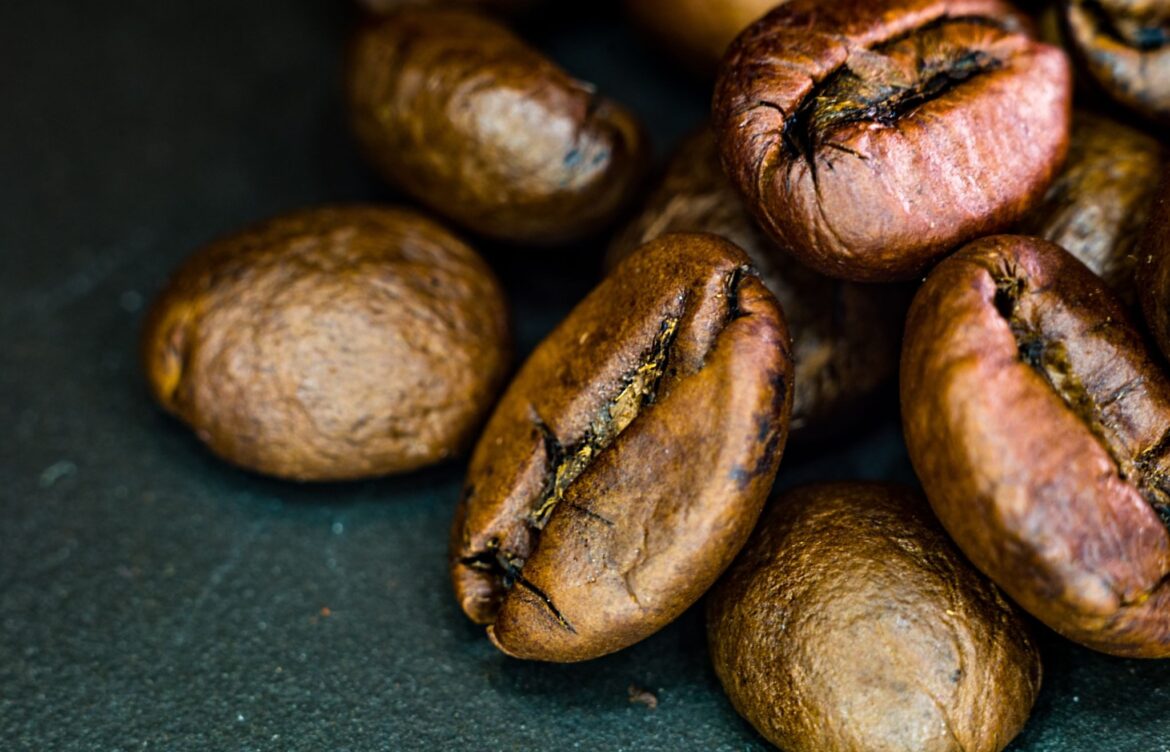
Caramel coffee aroma carries warm, sweet notes reminiscent of freshly melted sugar. This fragrance develops during roasting and intensifies when you grind the beans. Freshly brewed coffee releases these aromas quickly, filling the surrounding space. This sensory detail often shapes your perception before you even taste the coffee. According to coffee sensory research, aroma contributes heavily to perceived flavor quality. A strong, clean aroma often signals fresh and well-stored beans.
Roast Level Impact on Flavor
Roast level directly affects how caramel notes appear in your cup. Medium roasts usually highlight the most balanced caramel sweetness and nutty tones. Dark roasts deepen the flavor but may introduce smokiness that masks subtle sweetness. This roasting choice depends on your preference for boldness or balance. Light roasts preserve more acidity but may show less caramel character. Selecting the right roast helps you control the flavor outcome in your brew.
Types of Caramel Coffee Beans
Caramel coffee beans come in several forms, each offering a different flavor experience and ingredient profile. This variety includes single-origin beans, blends, and flavored options that cater to different tastes. Many coffee brands design these options to meet the preferences of both casual and experienced drinkers. Knowing these types helps you make a more informed and satisfying purchase.
Single-Origin Caramel Coffee Beans
Single-origin beans come from one region and reflect its natural growing conditions. These beans often display unique caramel notes shaped by soil, climate, and altitude. This origin-specific flavor tends to feel more complex and less artificial. Coffee experts often recommend single-origin beans for those exploring nuanced flavors. Many specialty coffee shops highlight these beans to showcase regional characteristics. Choosing single-origin options allows you to experience more distinct caramel profiles.
Caramel Coffee Blends
Blends combine beans from multiple regions to create a consistent flavor profile. These blends often balance sweetness, body, and acidity, resulting in a smoother experience. This approach helps brands maintain uniform taste across different batches. Many commercial coffee products rely on blends for reliability and accessibility. Blends may also include complementary notes like chocolate or nuts. As a result, they often appeal to a broader audience.
Flavored Caramel Coffee Options
Flavored caramel coffee uses added oils to create a bold and sweet taste. These oils coat the beans after roasting, enhancing flavor intensity. This method produces a consistent result that many casual drinkers enjoy. However, ingredient quality varies across brands, affecting overall taste and health considerations. Reading labels helps you avoid artificial additives and unnecessary sugars. Choosing high-quality flavored beans improves both flavor and peace of mind.
How Caramel Coffee Beans Are Made
Caramel coffee beans develop their flavor through a combination of sourcing, processing, and roasting techniques. This production process determines how much sweetness appears in the final cup. Many factors, including climate and roasting precision, influence the outcome. Understanding these steps helps you appreciate the craftsmanship behind each batch.
Roasting Process for Caramel Notes
Roasting creates caramel notes by applying controlled heat to green coffee beans. This heat triggers chemical reactions that convert sugars into rich, sweet flavors. Roasters monitor color, aroma, and time to achieve the desired profile. This roasting stage requires skill to avoid bitterness while enhancing sweetness. Small adjustments can dramatically change the final flavor. Consistent roasting yields reliable, high-quality beans.
Flavor Infusion and Coating Methods
Flavor infusion involves adding caramel oils to beans after roasting, while they are still warm. This process allows the beans to absorb flavor evenly across their surface. The coating often gives the beans a slightly glossy appearance. This method produces a stronger, more noticeable caramel flavor. However, excessive oil can affect grinding and brewing performance. Choosing lightly coated beans often produces better results.
Natural Processing for Sweetness
Natural processing enhances sweetness by drying coffee cherries with the fruit intact. This method allows sugars to transfer into the bean during drying. The result often yields richer, more pronounced caramel notes. This process requires careful monitoring to prevent defects. Many specialty coffee producers use this technique to create unique flavor profiles. Beans processed this way often appeal to those seeking natural sweetness.
Best Brewing Methods for Caramel Coffee
Brewing method determines how well caramel flavors appear in your final cup. This preparation step influences extraction, aroma, and overall balance. Different methods highlight different aspects of the beans. Choosing the right approach helps you achieve a more satisfying result.
Brewing Techniques That Enhance Flavor
Pour-over brewing highlights clean and subtle caramel notes with clarity. French press creates a fuller body and emphasizes richness. Espresso delivers a concentrated and bold caramel flavor in a small serving. This brewing choice depends on how strong and textured you prefer your coffee. Many baristas recommend experimenting with multiple methods to refine taste. Each technique offers a slightly different experience.
Grind Size and Water Temperature Tips
Grind size controls how quickly water extracts flavor from coffee grounds. A medium grind works well for most brewing methods. Water temperature should stay between 195 and 205 degrees Fahrenheit for the best results. This temperature range prevents bitterness while maintaining sweetness. Using fresh, filtered water also improves flavor clarity. Small adjustments in these variables can noticeably improve your coffee.
Simple Ways to Boost Caramel Taste
Enhancing caramel flavor can be done without adding sugar or syrups. Grinding beans freshly before brewing preserves aroma and taste. Adding a small amount of milk can highlight natural sweetness. This addition softens the coffee and brings out caramel notes. Some people also enjoy a hint of cinnamon for added warmth. These small changes can improve your daily coffee routine.
How to Choose Caramel Coffee Beans
Choosing caramel coffee beans involves evaluating freshness, origin, and ingredient quality. This selection process affects both flavor and overall satisfaction. Many options exist, but not all deliver the same experience. Paying attention to details helps you make a better choice.
Key Factors for Quality Beans
Freshness is one of the most important factors when buying coffee. Look for roasting dates instead of expiration labels on packaging. Whole beans retain flavor longer than pre-ground coffee. This storage advantage helps preserve aroma and taste. High-quality brands often provide sourcing and roasting details. These indicators help you identify better products.
Common Buying Mistakes to Avoid
Many buyers focus on packaging design rather than the actual bean quality. Ignoring ingredient lists can lead to the presence of unwanted additives. Buying large quantities may reduce freshness over time. This mistake often results in dull and flat flavor. Some people also overlook roast level when choosing beans. Avoiding these errors improves your overall coffee experience.
Store Caramel Coffee Beans for Freshness
Proper storage protects caramel coffee beans from losing flavor and aroma. This storage method directly affects how long the beans remain enjoyable. Exposure to air, light, and moisture can quickly reduce quality. Following simple practices helps maintain freshness for longer.
Best Storage Methods at Home
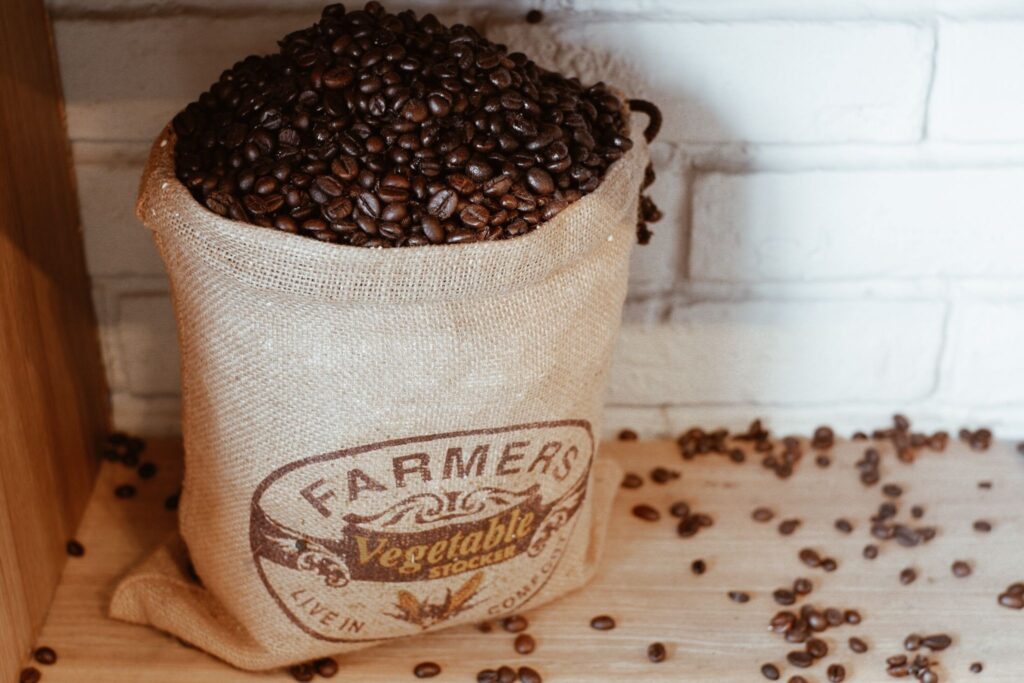
Store coffee beans in an airtight container to limit exposure to oxygen. Keep the container in a cool, dark place, away from heat sources. Avoid storing beans in the refrigerator because moisture can affect flavor. This storage choice helps preserve both aroma and texture. Whole beans stay fresh longer than ground coffee. Using smaller batches also helps maintain quality.
How to Maintain Flavor Over Time
Freshness declines gradually after roasting, even with proper storage. Grinding beans only when needed helps preserve flavor. This habit reduces exposure to air and maintains aroma. Buying smaller quantities prevents waste and keeps coffee fresh. Monitoring storage conditions also helps maintain quality. Consistent practices lead to better-tasting coffee every day.
Experience Caramel Coffee Beans at Their Best
Caramel coffee beans reach their full potential when you focus on quality, freshness, and proper preparation. This approach helps you enjoy a smoother, more balanced cup with deeper caramel notes. Small changes, like choosing better beans or adjusting your brew method, can improve your daily coffee experience. Build a routine that reflects your taste, and let each cup deliver the consistency and flavor you expect.
Find your next coffee inspiration and practical tips on the Just for Today Gourmet Coffee blog.