
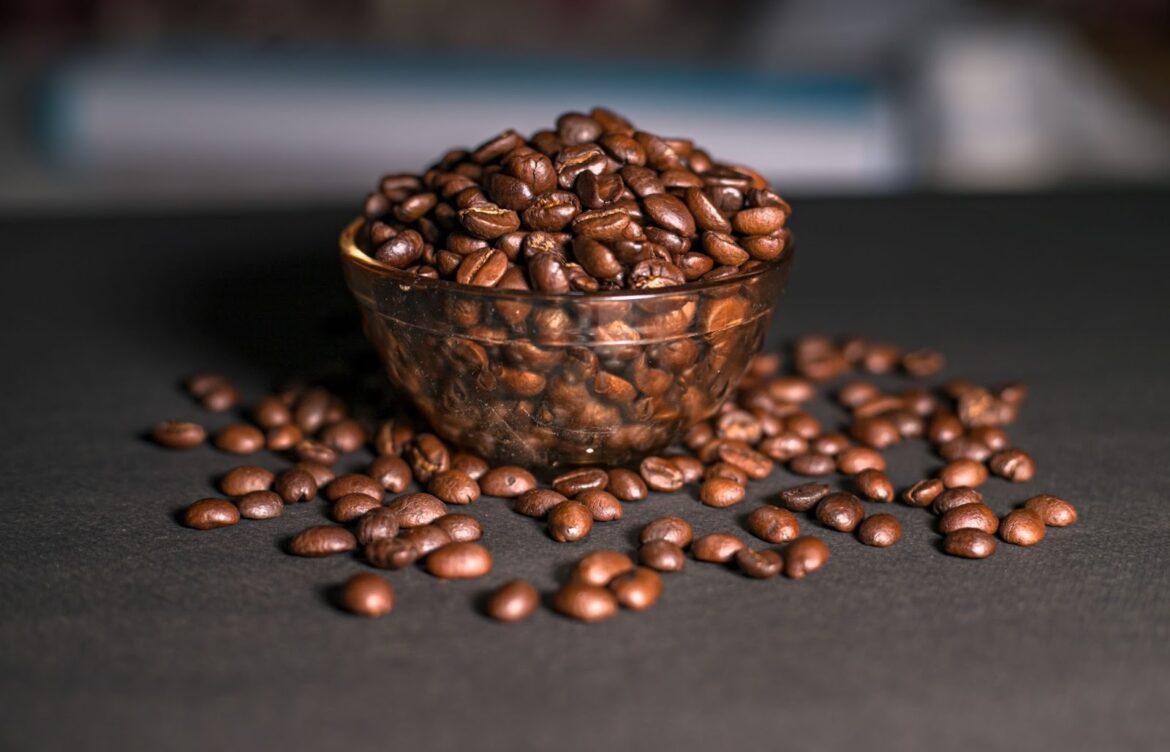
Why Whole Bean Coffee Tastes Fresher
Freshness is fragile. The moment beans are ground, a rush of aroma escapes, and delicate flavors begin to fade. By keeping coffee intact until the instant you brew, you slow oxidation, preserve volatile compounds, and protect texture. Understanding why whole bean coffee delivers a brighter, more aromatic cup helps you choose gear, storage, and routines that keep every sip alive.
Why Whole Bean Coffee Locks in Freshness
Grinding increases surface area dramatically, exposing more of the bean’s oils and aromatics to oxygen, heat, and humidity. Whole bean coffee resists that exposure by keeping flavors sealed within the cellular structure of the seed. When you grind on demand, you capture the fleeting top notes—citrus, florals, and caramelized sweetness—before they dissipate into the air or dull into flatness.
Oxygen is Flavor’s Enemy
Oxidation breaks down sweet, aromatic molecules into blander compounds. Minimizing air contact by storing intact beans keeps the cup lively and nuanced.
Surface Area Accelerates Staling
A mound of grounds stales faster than the same mass in whole form. Fewer exposed surfaces mean slower loss of fragrance and sweetness.
Heat and Humidity Matter
Warm, damp kitchens speed chemical reactions and moisture uptake. Whole beans handle these stressors better than fragile, freshly ground particles.
How Whole Bean Coffee Preserves Aroma Compounds
Aroma drives first impressions, and the most delicate aromatic families are the first to fade. Whole bean coffee protects the volatile compounds formed during roasting by limiting gas exchange and light exposure. That protection preserves clarity—jasmine in a washed Ethiopian, brown sugar in a Central American lot, or cocoa in a Brazilian—so your nose and palate meet the coffee as it was intended.
When Whole Bean Coffee Should be Ground
Grinding should be the last step before brewing, not part of prep hours in advance. Whole bean coffee holds its peak longer because trapped CO₂ carries aromatics and slows oxygen from rushing inward. When you grind right before extraction, you synchronize degassing with your pour or pull, converting captured aroma into flavor in the cup rather than perfume in the room.
Grind on Demand
Make grinding the final step in your workflow. Even a fifteen-minute delay can flatten high notes and reduce perceived sweetness.
Match Grind to Brew
Choose a grind that suits your method and dose. Proper particle size improves extraction balance, letting preserved aromatics translate into clean flavor.
Consistency Beats Fines
Uniform particles brew more evenly than a mix of boulders and dust. A consistent grinder helps you taste the freshness you protected.
Where Whole Bean Coffee Shines Across Brew Methods
Any brew benefits from intact beans, but some methods showcase the gains more dramatically. Pour-over and batch filter magnify clarity and aroma, making on-demand grinding feel like switching from mono to stereo. Espresso leverages pressure to emulsify oils, translating preserved aromatics into syrupy sweetness and a thicker, more persistent crema that would be thinner with pre-ground coffee.
Which Whole Bean Coffee Storage Habits Work Best
Whole bean coffee lasts longer when you defend it against air, light, heat, and moisture. Opaque, valve-sealed bags or airtight containers at cool room temperatures extend peak flavor without resorting to a freezing routine you can’t maintain. Portioning helps reduce oxygen each time you open a container, keeping the rest of your beans protected for the next brew.
Use Airtight, Opaque Containers
Valves vent CO₂ while blocking air backflow. Shielding beans from light preserves delicate aromatics and slows rancidity.
Keep it Cool and Dry
Stable, moderate temperatures and low humidity slow staling. Avoid cabinets above ovens or dishwashers that trap heat and steam.
Portion to Reduce Air Exposure
Split your bag into smaller containers. Less headspace means less oxygen contacting beans each time you open one.
How Whole Bean Coffee Compares to Pre-Ground Options
Pre-ground coffee is convenient but sacrifices control and time. Aromatics escape quickly after grinding, and the extraction balance suffers when a one-size-fits-all grind meets different brew methods. With whole bean coffee, you choose the grind size for your recipe and retain fragrance until the second you need it, trading seconds of work for days of extra flavor.
What Whole Bean Coffee Reveals About Roast and Origin
Roasts and origins express themselves more vividly when you start with intact beans. Light and medium roasts carry layered acidity and floral or fruity notes that vanish fastest once ground, while darker roasts benefit from preserved sweetness and fuller texture. Whole bean coffee lets you taste the difference between a high-elevation washed lot and a sun-dried natural instead of a generalized “coffee” flavor.
Light Roast Nuance
Citrus, florals, and tea-like notes rely on fragile volatiles. Grinding just before brewing keeps those high notes intact.
Dark Roast Comfort
Bittersweet chocolate and smoke feel rounder when oils remain protected. Fresh grinding preserves body and softens harshness in the cup.
Processing Signals
Washed coffees read clean and sparkling when fresh. Naturals and honeys present deeper fruit tones that dull quickly if left pre-ground.
How Whole Bean Coffee Supports Sustainability and Less Waste
Choosing intact beans can be a greener habit as well as a tastier one. Buying from local roasters in bags with one-way valves, refilling airtight tins, and grinding only what you need lowers the amount of stale coffee you throw away. Fewer wasted grounds and smarter packaging add up over time, especially if you portion purchases to match your weekly brew rhythm and store the rest properly.
Reduce Packaging and Waste
Refilling durable containers or choosing larger bags you portion at home cuts plastic and paper use. Less staling means fewer tossed cups and a smaller footprint overall.
Support Local Roasters
Shorter supply chains keep coffee fresher and reduce transport impact. You also get roast dates and sourcing transparency that make each purchase more intentional.
Choosing Whole Bean Coffee for Your Daily Routine
Adopting whole beans is simple: pick a reliable grinder, buy amounts you’ll finish in a few weeks, and schedule grinding into your brew flow. If weekday mornings are hectic, pre-dose beans into jars the night before and grind during kettle heat-up. With a small habit shift, you trade stale convenience for fresher, sweeter cups that reward attention without slowing you down.
Visit our Just For Today Gourmet Coffee blog to learn more about why whole bean coffee tastes fresher.